
Jewelry Care, Made Simple.
Most wear on fine jewelry comes from ordinary days: hand lotion, a chlorinated pool, a ring knocking against a counter. A few small habits go a long way, and most of the upkeep can be done at your own sink.
This guide covers what to do at home, what to leave to a jeweler, and how to tell the difference.
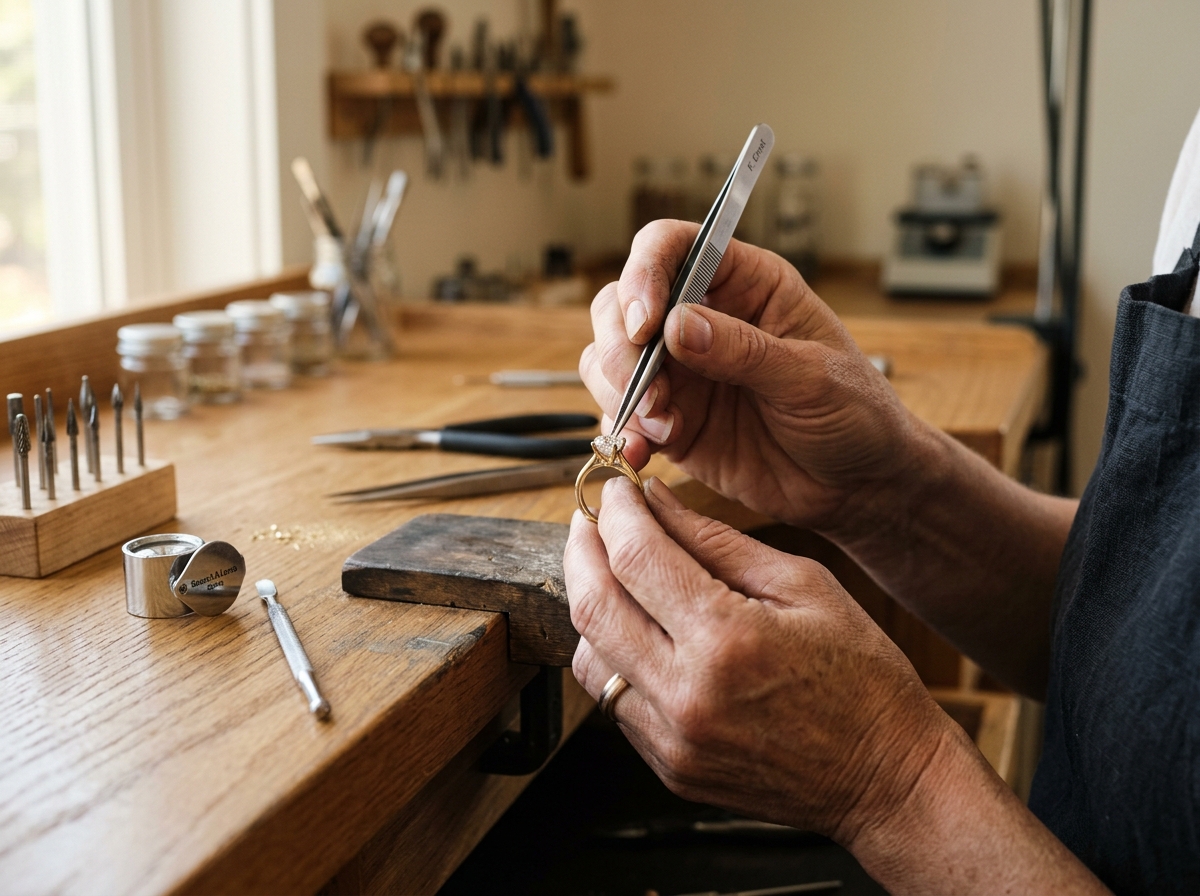
Hard Is Not the Same as Indestructible
Diamond is the hardest natural material, so everyday objects will not scratch it. A sharp knock at the wrong angle can still chip a stone, especially at a thin edge or a pointed tip. The bigger risk is often the setting: prongs wear down and bend long before the diamond shows any damage.
Diamonds also attract grease. A film of soap and skin oil is the usual reason a stone looks dull, and it comes off easily.
Soak
Fill a small bowl with warm water and a few drops of mild dish soap. Let the piece sit for 20 to 30 minutes to loosen the film.
Brush
Use a soft baby toothbrush, reaching behind the stone where residue collects. Keep the pressure light around prongs.
Rinse
Rinse under warm running water with the sink drain closed, or use a strainer, so nothing can slip away.
Dry
Pat dry with a lint-free cloth. Paper towels can leave fibers behind and snag on prongs.
Karat Changes How Gold Wears
Pure gold is soft, so it is alloyed with other metals for strength. The higher the karat, the richer the color and the softer the metal. A ring worn daily holds up differently in 14K than in 22K, and it is worth keeping that in mind when you choose how to wear a piece.
For routine cleaning, the same warm water and mild soap method works well. Dry with a soft cloth, and use a dedicated polishing cloth for a little extra shine.
| Karat | Gold content | How it wears |
|---|---|---|
| 10K | 41.7% | Very durable; a practical choice for frequent wear |
| 14K | 58.3% | A strong balance of color and durability; popular for rings |
| 18K | 75% | Richer color and softer; shows scratches sooner on daily rings |
| 22K | 91.7% | Very soft; better suited to pieces that see little contact |
A Metal That Changes Character With Wear
Platinum used in jewelry is typically around 95% pure, often stamped 950 or PT950. It is dense and naturally white, so it needs no plating.
Scratches on platinum mostly displace the metal rather than remove it. Over time this builds a soft, satin look called patina. Many people love it. If you prefer a mirror finish, a jeweler can polish it back. For home cleaning, warm soapy water and a soft brush are all it needs.
When to Take Your Jewelry Off
Rings worn every day, engagement rings above all, take the most contact. Put jewelry on last when getting ready, after lotion, hairspray and perfume, and take it off first at the end of the day.
Good habits
- Clean rings you wear daily at home every week or two
- Check that stones are secure by gently tapping the piece near your ear; a rattle or click means it needs attention
- Have rings you wear daily inspected by a jeweler about once a year
- Keep an up-to-date appraisal, and ask your insurer about coverage for valuable pieces
Best avoided
- Pools and hot tubs: chlorine can weaken gold alloys over time
- Household bleach, ammonia and abrasive cleaners
- The gym, gardening and heavy lifting, where knocks and pressure are likely
- Toothpaste or baking soda as a cleaner, since both can scratch metal
- Removing a ring by pulling on the stone or setting; hold the band instead
Keep Pieces Apart
Diamond can scratch other gemstones, metals and even other diamonds, so a tangled drawer does real damage. Give each piece its own soft pouch or lined compartment, and fasten chains so they cannot knot.
Store jewelry somewhere cool and dry, away from direct sunlight. When traveling, use a padded case, carry it with you rather than checking it, and bring only the pieces you plan to wear. Bathroom counters and hotel sinks are where rings are most often lost.
A Simple Care Schedule
These are general starting points. Pieces worn more often, or worn during active work, may need attention sooner.
| Piece | Clean at home | See a jeweler |
|---|---|---|
| Engagement and daily rings | Every 1 to 2 weeks | About once a year for a prong and setting check |
| Diamond earrings and pendants | Monthly | Every 1 to 2 years, or if a clasp or post feels loose |
| Gold jewelry | Monthly, or as needed | When it needs a polish or repair |
| White gold | Monthly, or as needed | When a warmer tone shows through and it needs replating |
| Platinum | Monthly, or as needed | When you want the patina polished away |
Signs a Piece Needs Attention
Some problems give an early warning. Catching them can be the difference between a small repair and a lost stone. Bring a piece in if you notice any of the following.
Look out for
- A stone that moves, clicks or sits at a new angle
- Prongs that look flattened, thin, bent or catch on clothing
- A ring band that has worn thin, cracked or lost its shape
- A clasp that no longer closes firmly, or stretched chain links
- Stones that stay cloudy after a home cleaning
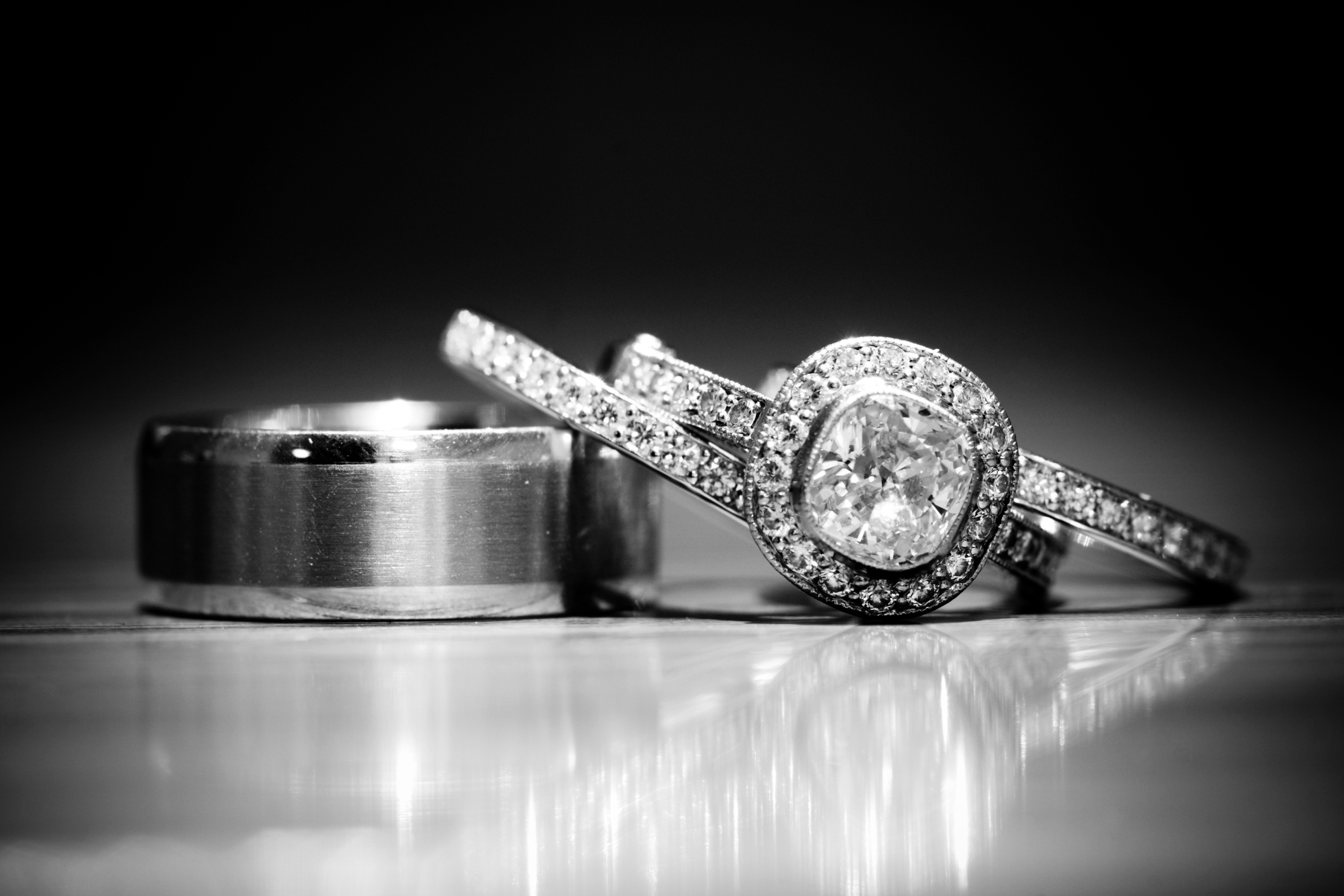
Has a Favorite Piece Lost Its Shine?
Bring it to Avitabile Fine Jewelers in Hanover. We can check the setting, talk through any repairs it needs, and help you keep it ready to wear.