
Find the Shape That Feels Like You.
Shape is usually the first decision and the most personal one. There is no best shape, only the one you enjoy looking at. It also has practical effects on how large a stone appears, how it wears and how much it costs per carat.
Shape and cut are not the same thing. Shape is the outline of the diamond, while cut quality describes how well it was crafted. Any shape can be cut well or poorly.
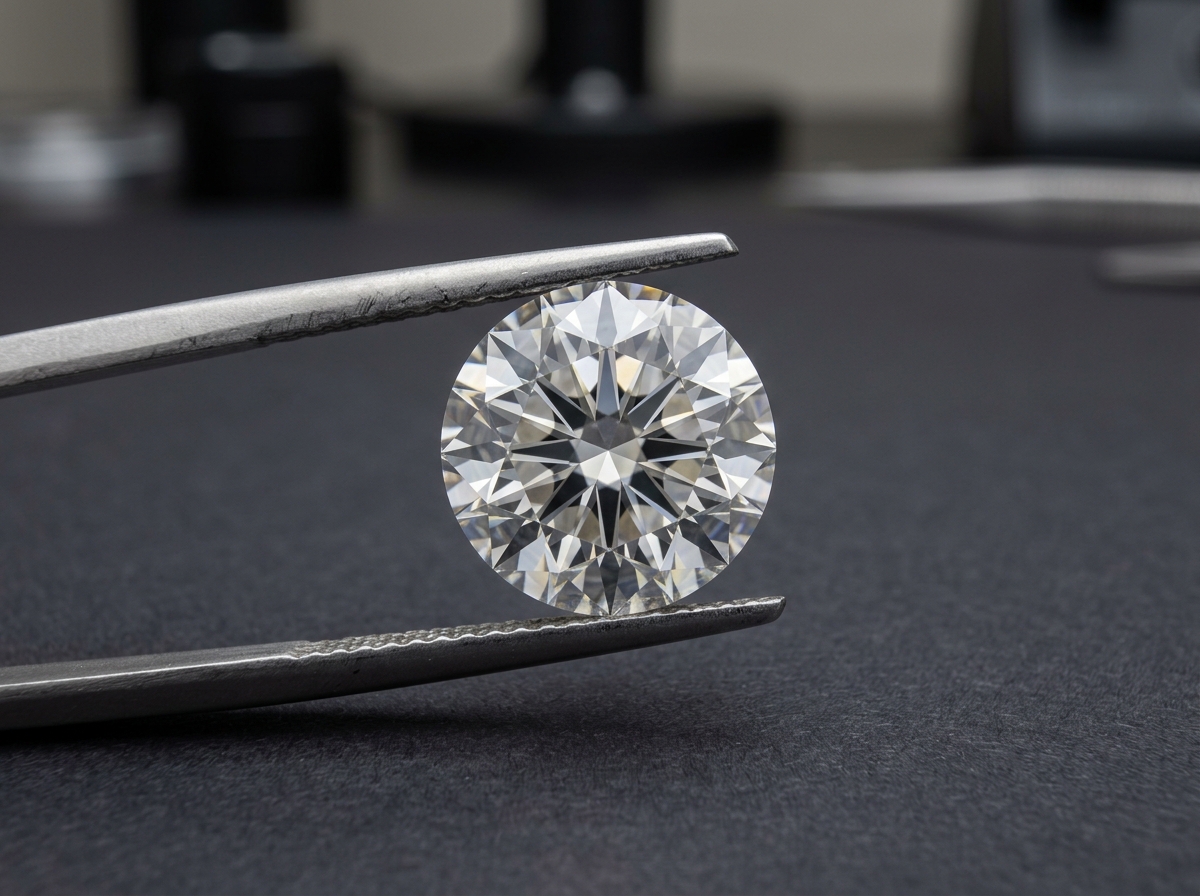
Brilliant Cuts and Step Cuts
Most diamonds fall into one of two facet styles, and knowing which one you prefer will quickly narrow your choices.
Brilliant Cuts
Lively sparkleTriangular and kite-shaped facets radiate outward and scatter light into quick, bright flashes. They also do a good job of masking inclusions and slight color. Round, princess, oval, marquise, pear, cushion, radiant and heart all belong here or are close variations.
Step Cuts
Calm, glassy flashesLong, parallel facets step down the stone like a staircase, creating broad flashes of light and a clean, architectural look. The open facets show more of the stone’s interior, so color and clarity deserve closer attention. Emerald and Asscher are the classic examples.
Ten Classic Shapes
Round
BrilliantThe most popular shape, and the one with the most developed cutting standards. Its sparkle is hard to match and it suits almost any setting. Expect to pay more per carat, partly because more rough is lost in cutting.
Princess
BrilliantA square outline with crisp corners and bright sparkle, a clean modern choice that usually costs less per carat than round. Protect those corners, which are the most vulnerable part of the stone, with prongs or a similar setting.
Oval
BrilliantSoft and elongated, with sparkle close to a round. Its length can make it look larger for its weight and flatter the finger. Check for a bow-tie, a dark band across the center, which varies from stone to stone.
Marquise
BrilliantA long, slender shape with two points and one of the largest face-up areas per carat. The two ends should line up neatly. Prongs or V-tips help protect the points from chips.
Pear
BrilliantA teardrop that blends the round and marquise, and a favorite for pendants and elegant rings. Look for even shoulders and a point aligned with the rounded end. It can also show a bow-tie, and the point needs protection.
Cushion
BrilliantA square or rectangular outline with rounded corners and a romantic, antique feel. Cutting styles vary widely, from chunky to finely crushed-looking facets, so compare them in person to see which you prefer.
Emerald
Step cutA rectangle with cut corners and long, mirror-like facets. It is understated and sophisticated, and it looks large for its weight. Its open table reveals inclusions and color more easily than brilliant cuts do.
Asscher
Step cutA square step cut with deeply cropped corners and an Art Deco character, first developed in the Netherlands in the early 1900s. Its high crown and concentric facets draw the eye inward. Like the emerald, it shows inclusions readily.
Radiant
BrilliantPairs the clipped-corner outline of an emerald cut with the lively faceting of a brilliant. It is a versatile shape that holds up well in daily wear thanks to its trimmed corners.
Heart
BrilliantThe most openly romantic shape. Symmetry is everything here: the lobes should match and the cleft should be clearly defined. Smaller stones can lose the outline once set, so many people choose around half a carat or more.
The Shapes Side by Side
Length-to-width ratio is the stone’s length divided by its width. The ranges below are commonly preferred, not rules, so choose the outline that looks right to you.
| Shape | Style | Popular ratio | Worth checking |
|---|---|---|---|
| Round | Brilliant | 1.00 | Cut grade above all |
| Princess | Brilliant | 1.00–1.05 | Corner protection |
| Oval | Brilliant | 1.30–1.50 | Bow-tie |
| Marquise | Brilliant | 1.75–2.15 | Symmetry, point protection |
| Pear | Brilliant | 1.45–1.75 | Symmetry, bow-tie, point protection |
| Cushion | Brilliant | 1.00–1.20 | Facet style, retained color |
| Emerald | Step cut | 1.30–1.50 | Clarity, color |
| Asscher | Step cut | 1.00–1.05 | Clarity, color |
| Radiant | Brilliant | 1.00–1.35 | Retained color, faceting pattern |
| Heart | Brilliant | 0.90–1.10 | Symmetry, a clear cleft |
Choosing With Confidence
Try Them On
Shapes can look very different on the hand than in a photo. Elongated shapes tend to lengthen the finger, while rounder ones feel more classic. Trying several is the quickest way to know.
Adjust Your Grades
Inclusions and tint are easier to spot in step cuts, so they often need higher grades. Brilliant cuts are more forgiving, which can leave more of your budget for size.
Ask if It’s a Gift
Shape is the one choice that cannot be changed later without replacing the stone. If you are planning a surprise, look for hints in what they already wear, or ask someone who knows their taste.
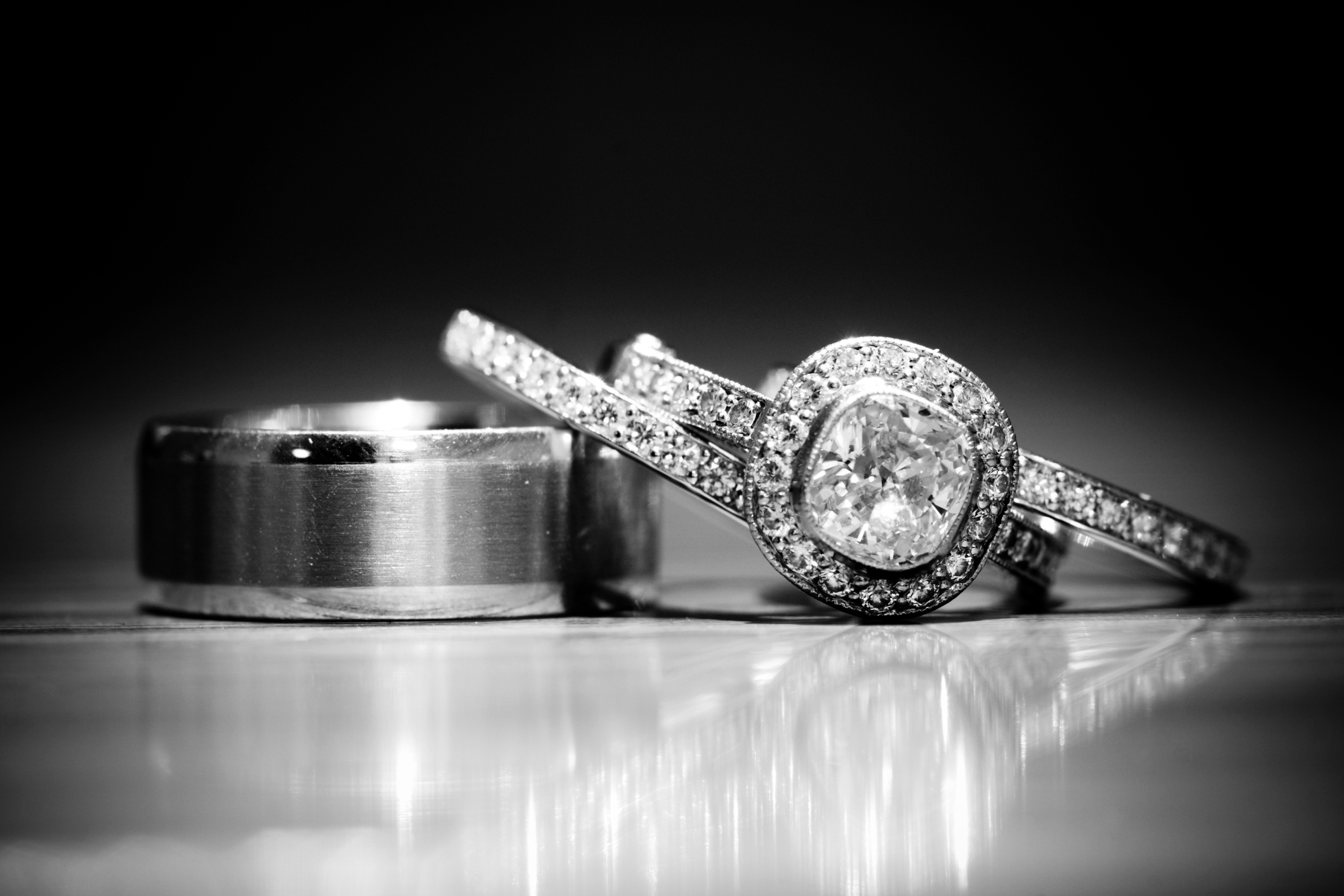
Try Different Shapes on Your Hand
Visit Avitabile Fine Jewelers in Hanover to compare shapes in person, or work with our team to design a ring around the one you love.