
Natural Diamonds, From Earth to Hand.
A natural diamond began forming long before there was anyone to see it, often more than a billion years ago. By the time one reaches a jeweler’s bench, it has traveled from deep in the earth, through a mine and a cutter’s hands.
Here is the story of that journey, along with what it means when you are looking at a diamond of your own.
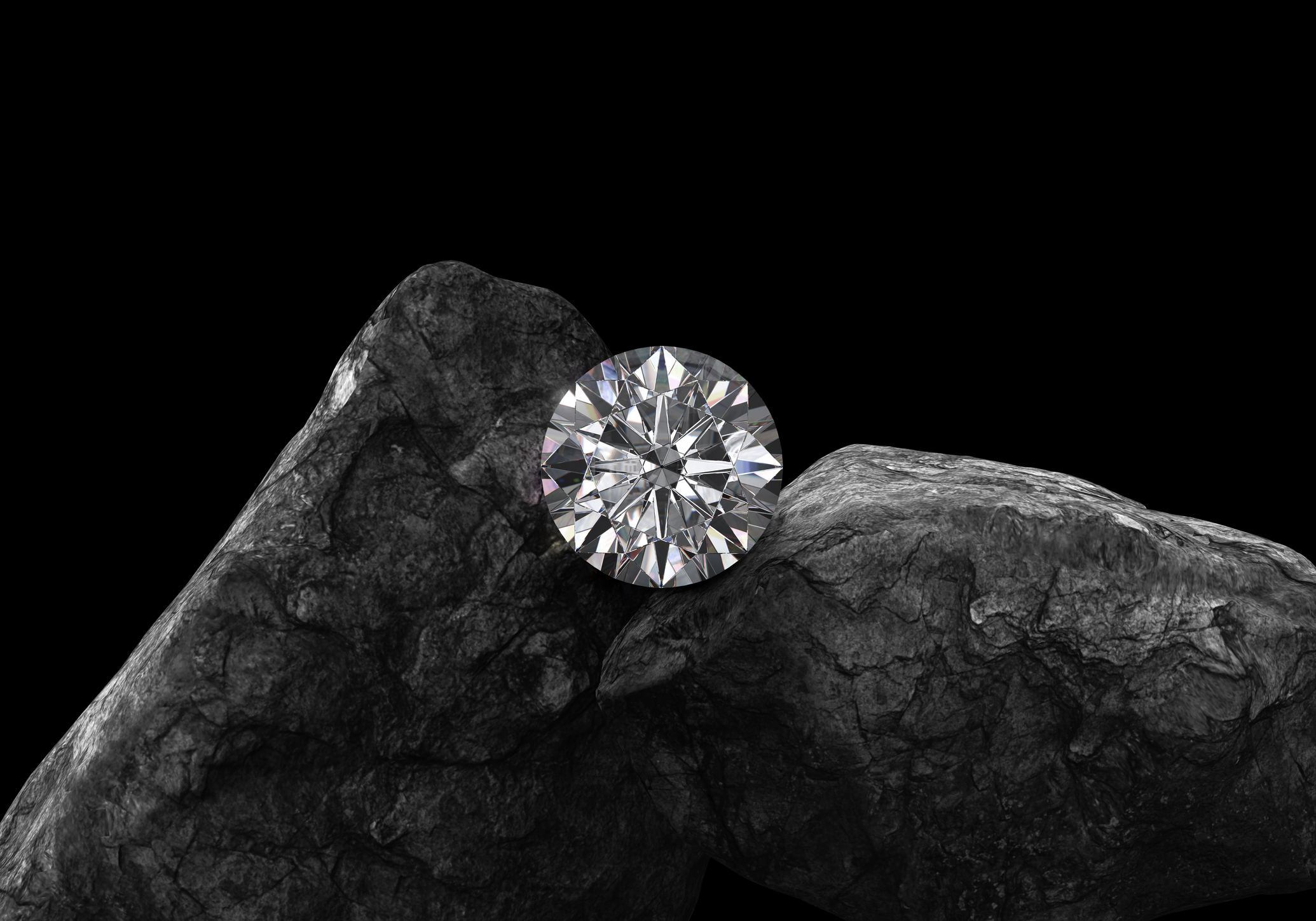
Pure Carbon, Tightly Arranged
A diamond is carbon crystallized in a rigid, tightly bonded structure. That structure gives it the top rating on the Mohs hardness scale and an unusual ability to bend and split light. It is why a well-cut diamond looks so bright and colorful.
Few diamonds are chemically perfect. Traces of other elements and tiny mineral crystals were captured during growth, which is why natural stones vary in color and clarity, and why no two are exactly alike.
A Very Long Journey Upward
Most gem diamonds formed roughly 90 to 125 miles below the surface, in the mantle, where heat and pressure are immense. Many are one to three billion years old.
Crystal Growth
Carbon crystallizes in the mantle, at temperatures above about 2,000°F and pressures hundreds of thousands of times those at the surface.
Volcanic Ascent
Deep-source eruptions carry diamonds toward the surface very quickly, in magma that cools into rock called kimberlite or lamproite.
Deposits
Many diamonds stay in the vertical pipes left by those eruptions. Others erode out and are carried by rivers and seas into alluvial deposits.
Discovery
Only a small share of kimberlites contain enough gem-quality diamonds to be worth mining, and large amounts of rock are processed to find each carat.
Where Diamonds Are Found
Diamonds are mined on several continents. Production shifts over time as mines open, deepen and close, and the examples below are some of the better-known sources.
| Region | Countries | Well-known mines |
|---|---|---|
| Southern and Central Africa | Botswana, South Africa, Angola, Namibia, DR Congo | Jwaneng, Orapa, Venetia, Catoca |
| Russia | Primarily the Yakutia region | Mir, Udachny, Jubilee |
| Canada | Northwest Territories | Ekati, Diavik |
| Australia | Western Australia | Argyle, famous for pink diamonds; closed in 2020 |
How a Rough Stone Becomes a Gem
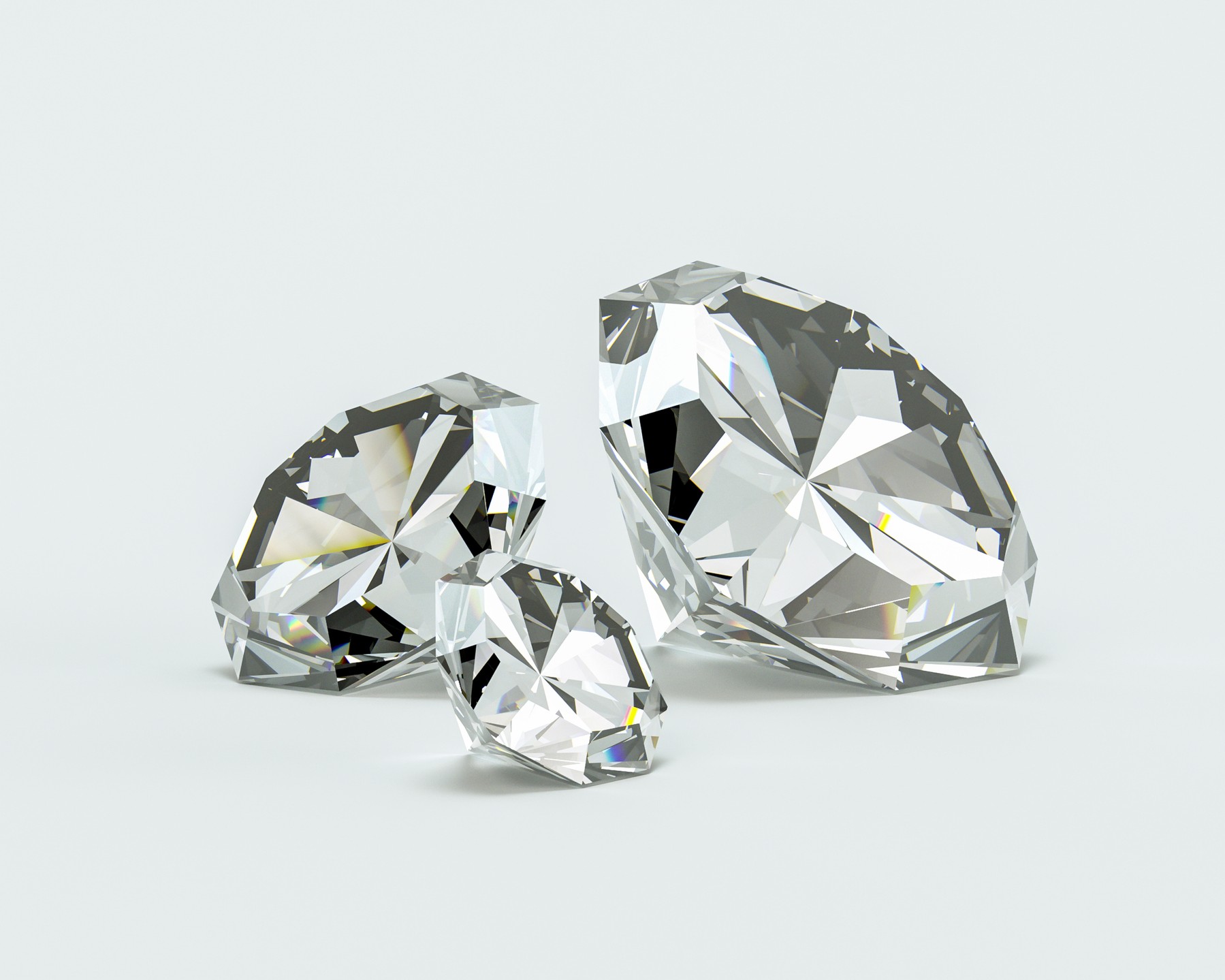
A rough diamond can look like a cloudy pebble. Bringing out its beauty takes careful planning, and cutters often have to choose between keeping weight and improving proportions. A large part of the rough is commonly lost along the way.
Planning
The rough is scanned and studied to map inclusions and find the most valuable polished stone or stones inside it.
Cleaving or Sawing
The crystal is separated as mapped out in planning, today usually by laser or a fine, diamond-coated saw blade.
Bruting
Two diamonds are ground against each other, or a laser is used, to create the stone’s basic outline.
Polishing
Facets are added one at a time against a rotating wheel charged with diamond dust. Only diamond is hard enough to polish diamond.
Inspection
The finished stone is cleaned and checked. Many then go to an independent laboratory for grading.
The Parts of a Diamond
These are the terms you will find on grading reports and hear in the showroom. Their proportions work together to decide how well a stone handles light.
Table
The large, flat facet on top. It is the main window into the stone.
Crown
The angled upper section, between the table and the girdle. It helps create fire.
Girdle
The thin outer edge at the stone’s widest point, often where a laser inscription sits.
Pavilion
The lower section. Its angles help send light back up through the top of the stone.
Culet
The very bottom tip or small facet of the pavilion. Today it is usually a point or very small.
Depth
The height of the stone from table to culet, usually listed as a percentage of its width.
What Drives a Diamond’s Value
Large, high-quality natural diamonds are rare, and prices rise quickly with size and quality. Value generally comes down to the Four Cs and the appeal of the individual stone, with origin playing a part for some buyers and rare colored diamonds.
Natural diamonds and laboratory-grown diamonds are both real diamonds, with essentially the same chemical and physical properties. The difference lies in their origin, and in how they tend to be priced. We carry both, and we are happy to show you each one side by side.
Common Questions
How old are natural diamonds?
Most gem diamonds are roughly one to three billion years old, although the age varies from one deposit to another.
Can a diamond break?
Yes. Diamond resists scratching extremely well, but a hard blow in the right spot can chip or split it. Thin edges and pointed tips are the most vulnerable.
Why are natural diamonds so expensive?
Large amounts of rock are mined for each carat recovered, and only part of that yield is gem quality. Cutting also removes a large portion of the rough, and the stone passes through several skilled hands on its way to market.
How can I tell whether a diamond is natural?
Not reliably by eye. Telling natural from laboratory-grown diamonds requires specialized equipment. A grading report from a recognized laboratory will state the stone’s origin.
Why does a diamond sparkle?
Diamond bends light strongly and splits it into colors. Well-placed facets then return that light to your eye, so cut quality makes a huge difference to sparkle.
How should I look after a diamond?
Regular cleaning with warm water and mild soap keeps it bright, and an annual setting check keeps it secure. Our Jewelry Care Guide has the details.
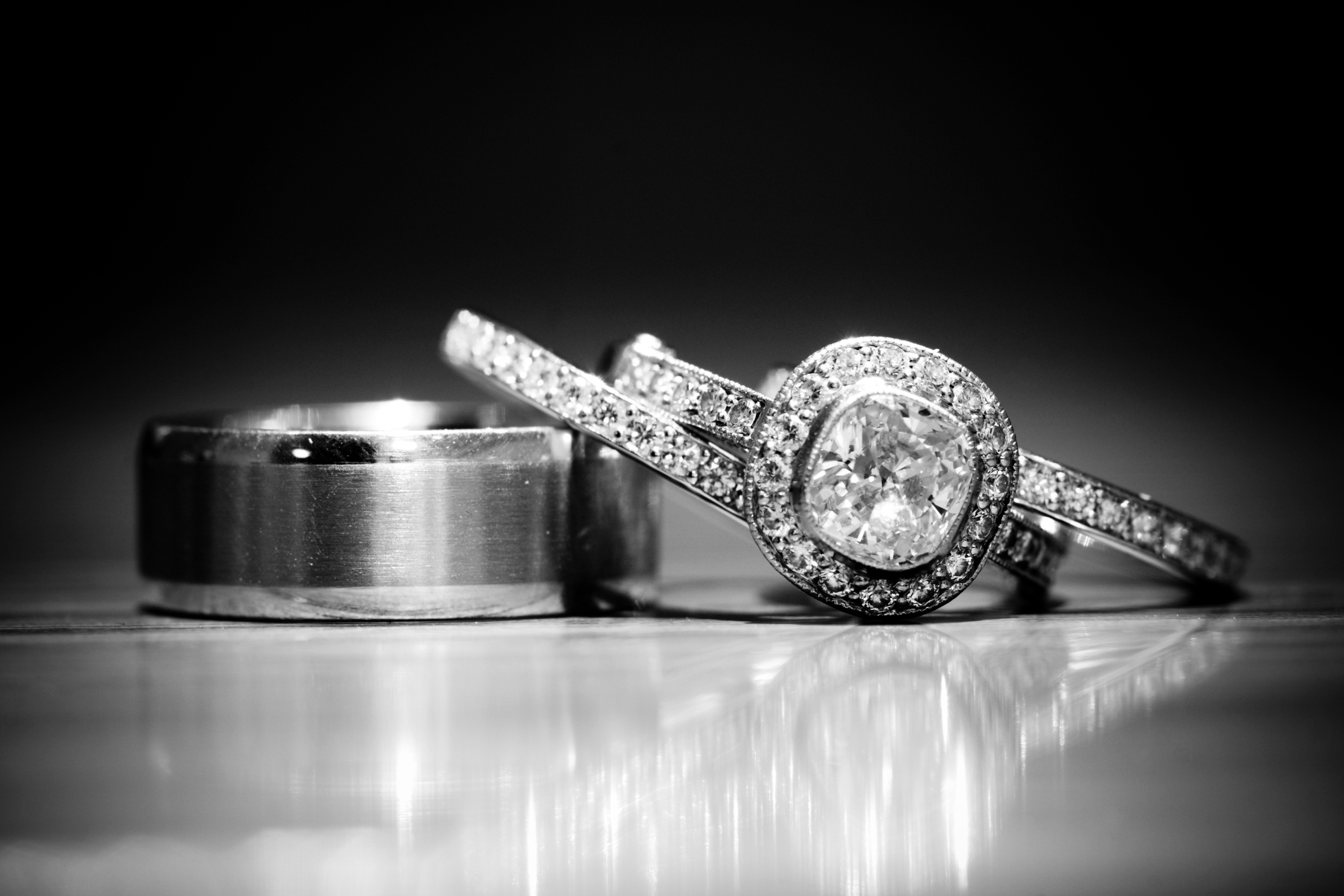
See Natural Diamonds Up Close
Visit Avitabile Fine Jewelers in Hanover to compare diamonds in person and ask our team anything you would like to know.